What are the signs of a slab leak?
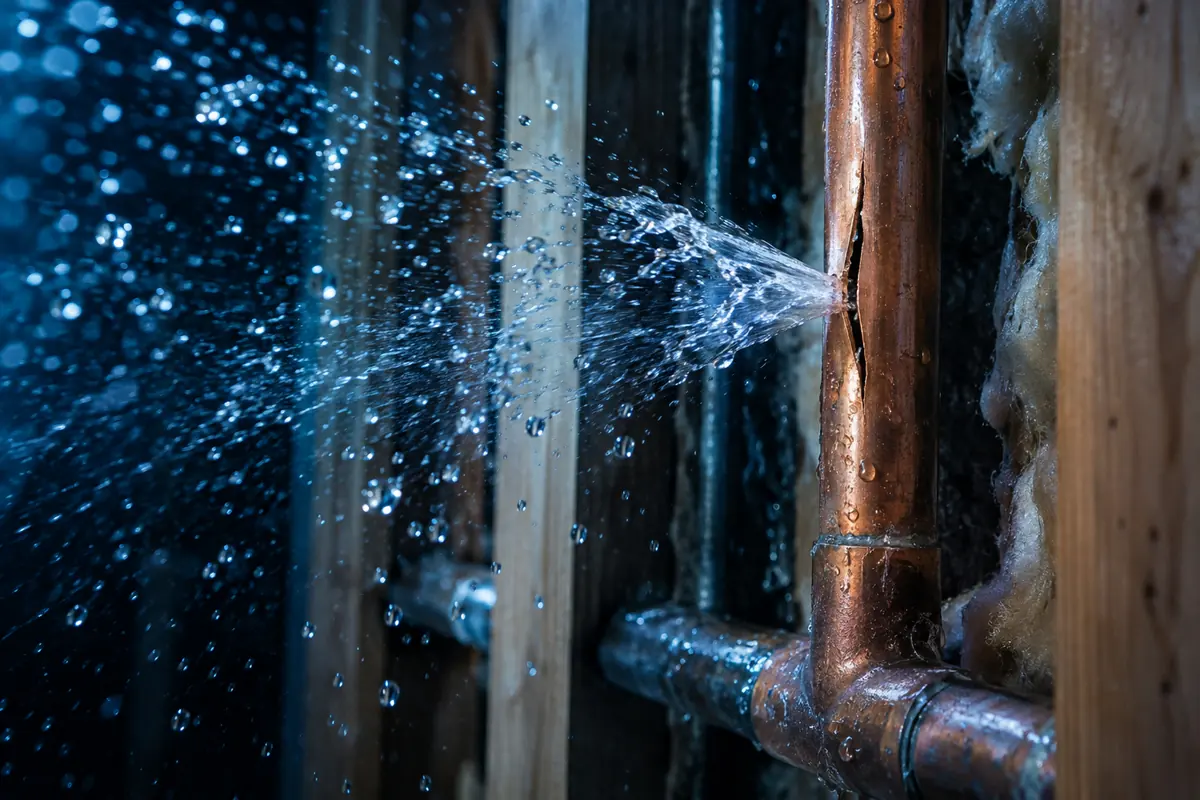
The most common signs are a water bill that jumps for no reason, a warm spot on the floor, and running water you can hear when everything is off. Watch for these too.
- The meter's leak indicator turning with nothing on
- Damp carpet, cupped wood flooring or loose tile
- A water heater that runs more than it used to
- A musty smell along the bottom of a wall
A hot-side leak often shows up as a warm spot and a water heater that keeps running. A cold-side leak may only show up on the bill.
How to check your water meter for a leak
This tells you if water is leaking anywhere past the meter. Pick a two-hour stretch when nobody needs water.
Turn off everything that uses water
Shut off faucets, the washer, dishwasher and sprinklers, and switch off the ice maker. Make sure the water softener isn't mid-cycle. On rural property, check stock tank floats, yard hydrants and lines to a barn or shop.
Open the meter box carefully
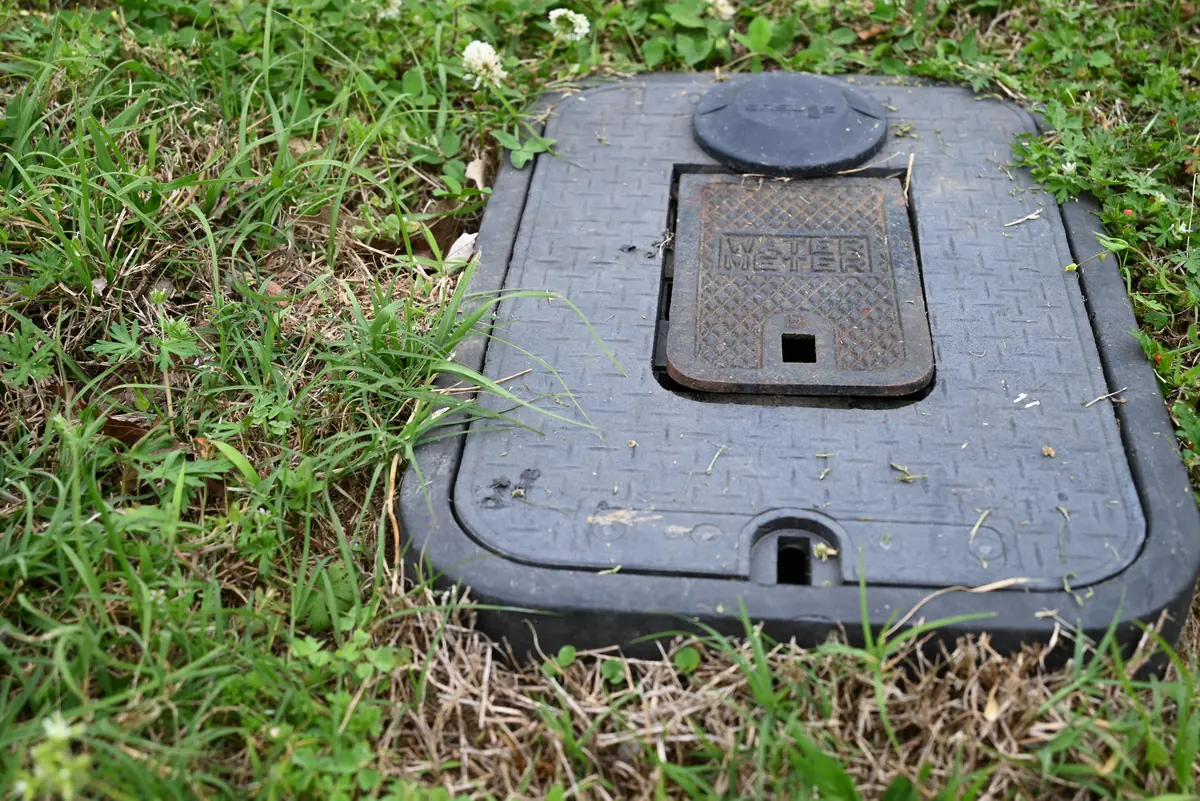
The meter is usually in a box near the street, or out by the road on rural property. Pry the lid up with a screwdriver and look before reaching in, because meter boxes collect spiders, fire ants and the occasional snake.
Watch the leak indicator
Most meters have a small triangle, star or wheel that spins when any water moves through, even a drip. If it turns with everything off, water is going somewhere. On a digital meter, look for a flow reading or a leak symbol.
Read it again two hours later
Write down the numbers or take a photo, use no water for two hours, then read it again. If the numbers moved at all, you probably have a leak.
Close the main shutoff to narrow it down
Shut the main valve at the house and watch the meter. If it still moves, the leak is in the yard line. If it stops, the leak is inside the house.
How we find the leak
We start with the same meter test, then close valves and pressure test the hot and cold lines one at a time. That tells us which line is losing water before anyone breaks concrete.
Then we use listening equipment and a thermal camera to pin down the spot, so we open the floor or wall once, right over the leak.
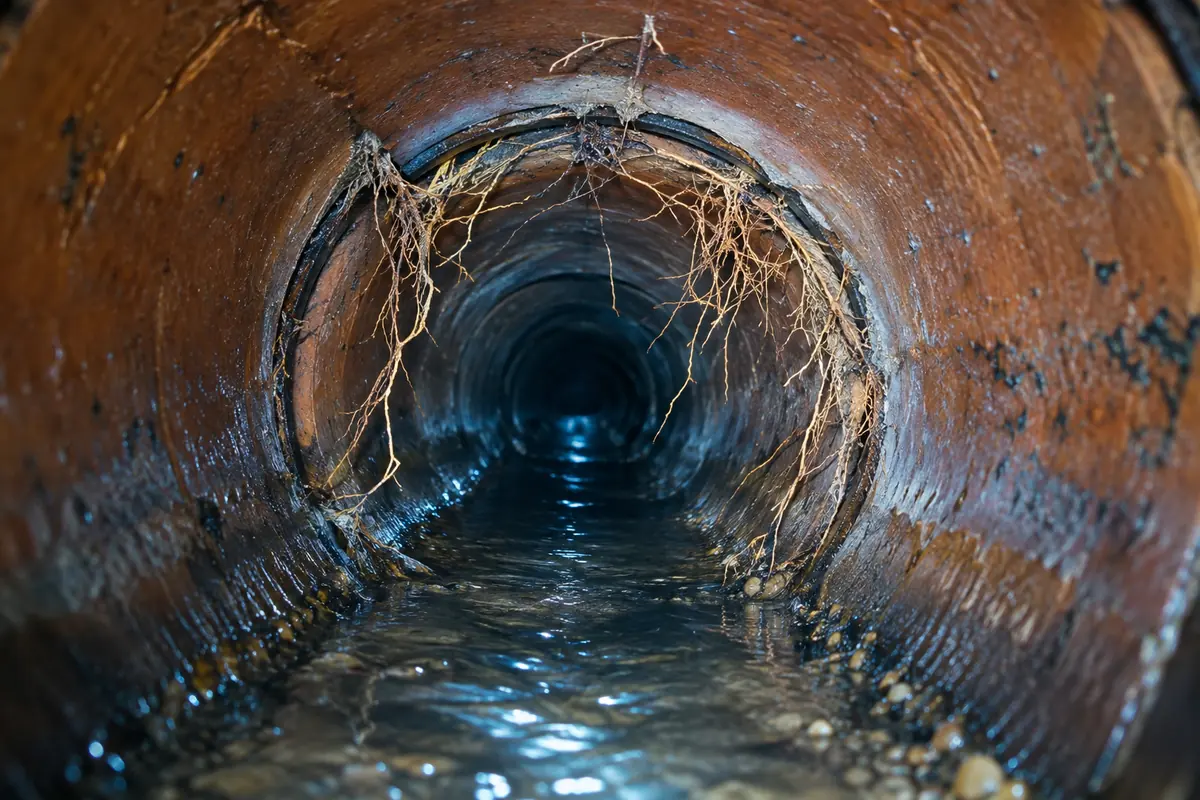
A leaking drain line under the slab won't move the meter, because that water already went through it. Damp floors or a sewer smell with the meter standing still point to the drains, which is sewer line repair work.
Should I repair or reroute?
Repair the spot if it's the first leak on pipe that's otherwise in good shape. Reroute if that line has leaked before, the pipe is old or corroded, or the leak sits under flooring you'd rather not tear up.
| Spot repair | Reroute | |
|---|---|---|
| What happens | We open the slab over the leak, fix the pipe and patch the concrete | The old pipe is left under the slab, and a new line runs through the attic or walls |
| Your floors | The flooring over the leak comes up | Floors stay put, with small openings in drywall instead |
| Later on | The rest of the old line is still under the slab | That line can't leak under the slab again |
| Cost | Usually less for one leak | Usually more up front |
A reroute through the attic needs insulation and should stay clear of the eaves, since North Texas attics get cold enough in a hard freeze to split pipe.
Yard line leaks on rural property
Out in the rural parts of Fannin County, the meter often sits by the road and the line to the house can be long. A leak there can run for weeks unnoticed, and every gallon still goes through your meter.
Look for a wet or greener strip in dry weather or a soft spot that never dries. The meter check above, with the main shutoff closed, tells you for sure.
We dig at the leak and fix it there, or replace the line if it's brittle or already patched. There's more on that under water line repair. Ask your water provider if they give leak adjustments, and keep the invoice in case they do.
Questions about leaks
Does homeowners insurance cover slab leaks?
Sometimes, and your policy decides. Most policies cover sudden, accidental water damage, but usually not damage from a leak that went on for a long time. Damage to the slab itself is often covered only if your policy has a slab or foundation endorsement.
Some policies also pay to tear out and replace what has to be opened to reach the leak, or to reroute the line, but not to fix the pipe itself. Call your agent, report the claim quickly and take photos before any repairs. The Texas Department of Insurance guide to water damage covers the basics. We'll give you photos and a written description of the leak and the repair for your claim.
Why is my water bill so high?
If nothing changed in how you use water, a jump in the bill usually means a leak, and a toilet is the first thing to check.
Compare it to the same month last year, since summer watering pushes most bills up. Then do the dye test and the meter check. If the toilets pass and the meter still moves, call 903-000-0000 or contact us online.
Is a slab leak an emergency?
It is if water is coming up through the floor or you can't stop it. A slow leak can usually wait for a regular visit if you shut off the main when you're not using water.
On the hot side, closing the cold water valve on top of the water heater usually stops the leak and leaves you cold water in the meantime. For a leak you can't stop, see what to do in a plumbing emergency.