The drains we clear
Kitchen sinks
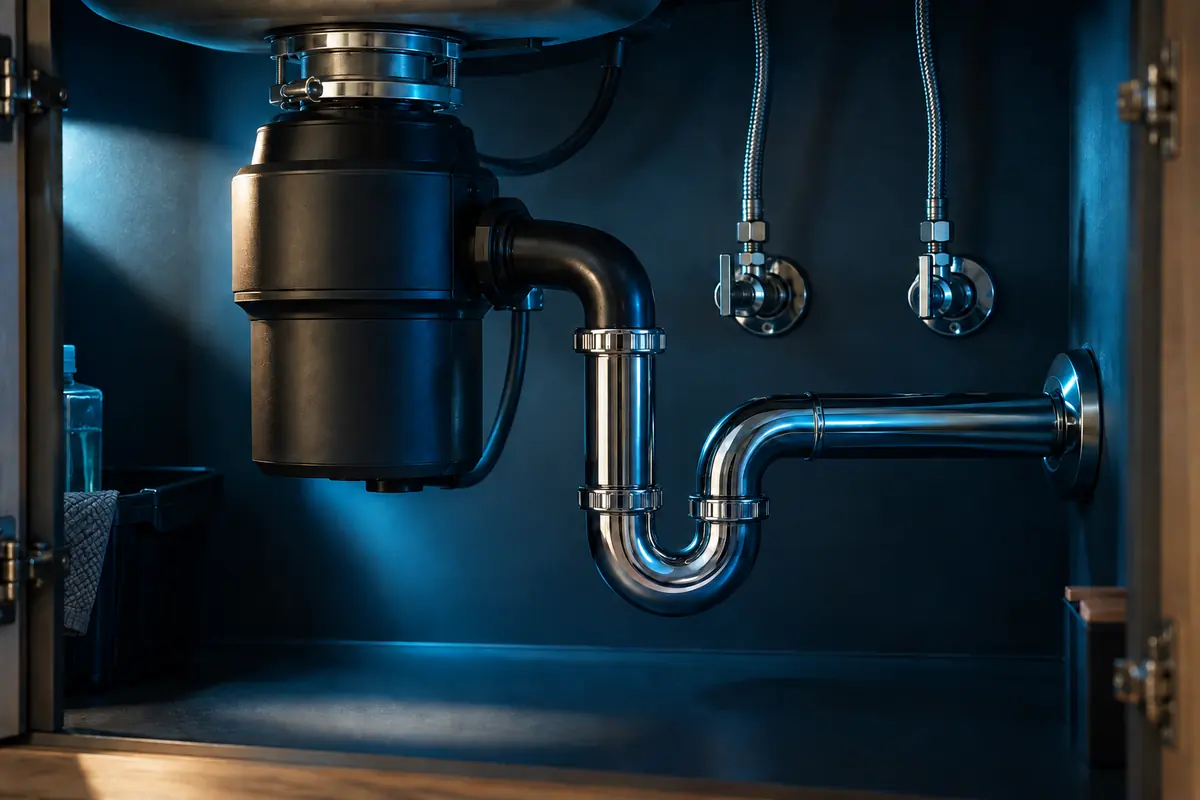
Grease, food scraps and coffee grounds coat the pipe until it closes up. Plug the other side of a double sink before you plunge.
Tubs, showers and bath sinks
Most of these are hair and soap scum caught a few inches below the drain. Clean out the stopper or strainer before you try anything stronger.
Toilets
Wipes and too much paper cause most of them, plus the odd toy. A flange plunger, the kind with a rubber sleeve on the bottom, seals far better than a flat cup.
Laundry drains
Lint builds up in the standpipe, and since a washer pumps out fast, a partial clog shows up as water spilling over the top.
Floor drains
They sit low, so a main line backup often shows up there first. Pour water into the ones you rarely use to keep sewer gas out.
The main sewer line
It carries everything from the house to the city sewer or septic tank. Roots, grease, wipes and sagging pipe are the common causes.
Is it one drain or the main line?
If only one fixture is slow, the clog is almost always in that fixture's drain. If several are slow, or the toilet gurgles when the washer empties, it's likely the main line. Other signs of a main line clog:
- Water comes up in the tub when you flush
- One drain gurgles while another is running
- Water is standing in the outside cleanout
- A clog is back within weeks of being cleared
To check the cleanout, usually a capped pipe near the foundation, loosen the cap slowly and stand to one side. Until the line is cleared, hold off on laundry and long showers.
How we clear a drain
The last two steps are for lines that keep clogging.
Find the clog
We ask what you've noticed and run a few fixtures to tell one slow drain from a main line clog.
Clear it and test it
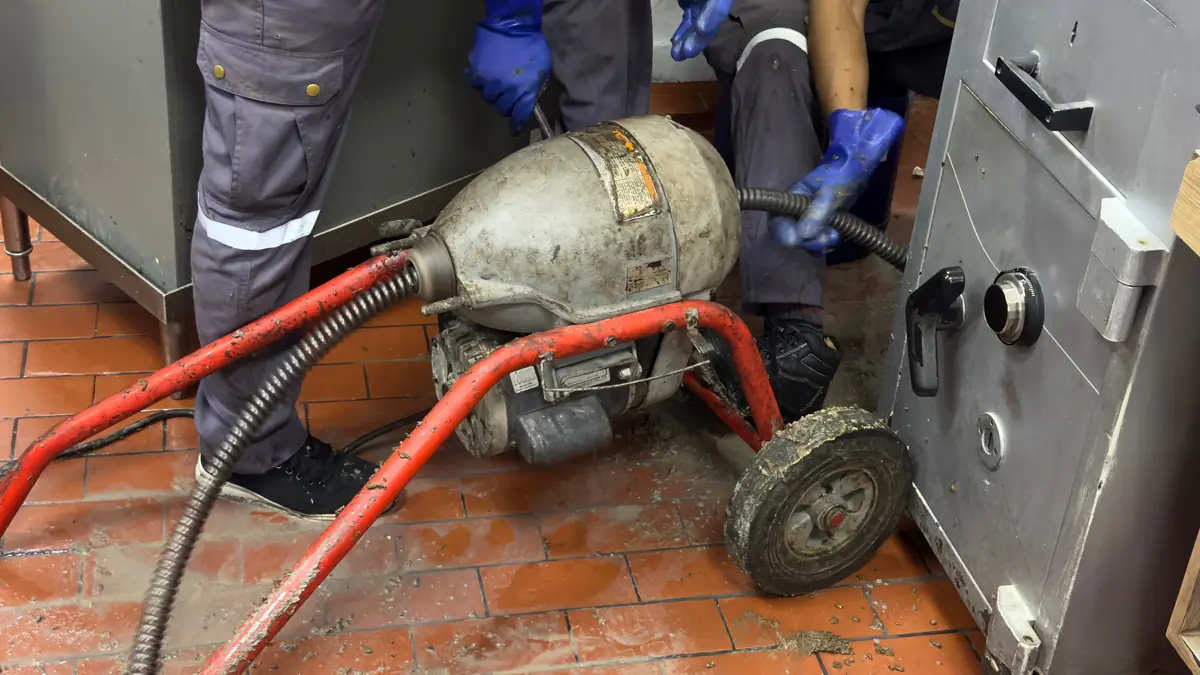
We feed a cable sized to the pipe through the fixture, or through the outside cleanout for a main line. If there's no cleanout, we pull a toilet to reach the line. Then we run water until every drain keeps up.
Look inside if it returns
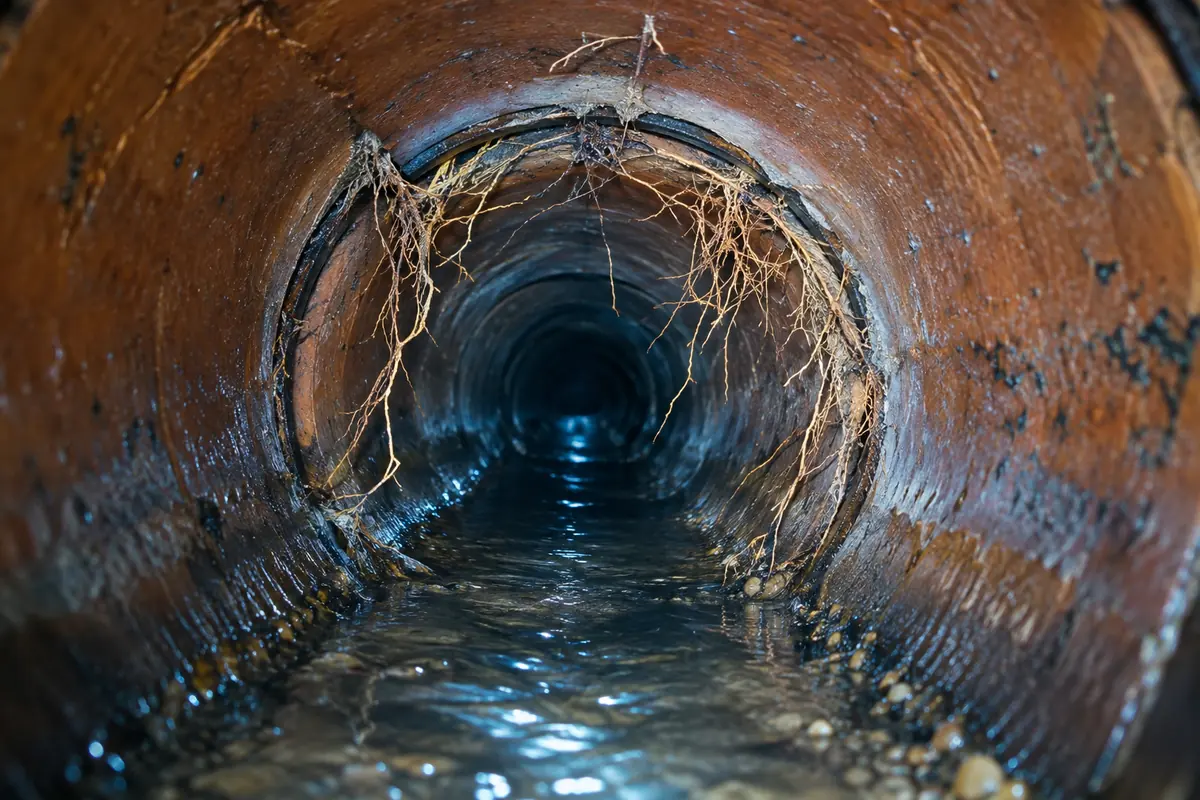
We run a camera down a line that keeps clogging to find the cause: roots, a sag, a broken joint or heavy buildup. You see it before you decide anything.
Jet off the buildup
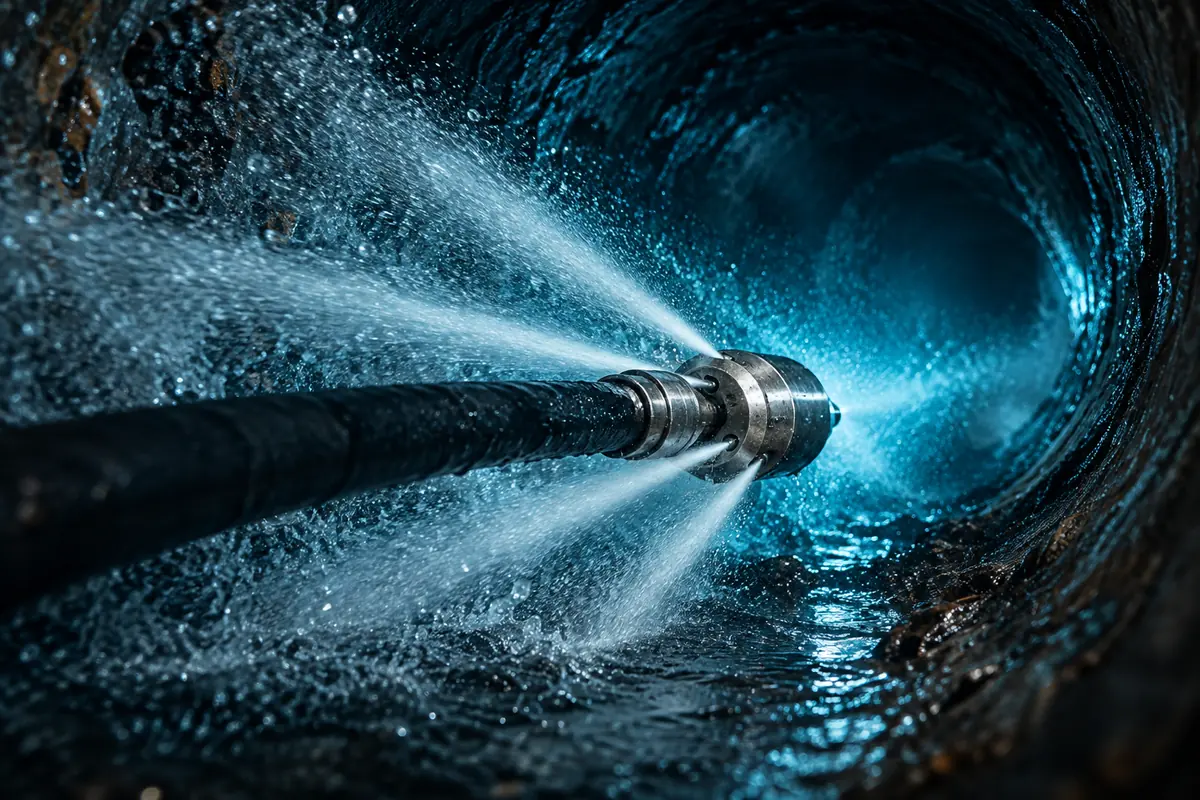
A cable opens a path but leaves grease and roots on the pipe walls. Hydro jetting scours them off, and we jet the lines that need it.
Homes on septic
Outside Bonham and the county's other towns, a lot of homes are on septic. We clear the line from the house to the tank the same way we clear a city line.
The tank and drain field are a septic company's work. In Texas, haulers who pump tanks register with the Texas Commission on Environmental Quality (TCEQ), and septic installers hold TCEQ licenses. If the line is clear and the tank is full, we'll tell you straight so you don't pay us for the wrong fix.
The TCEQ's advice for septic owners says to pump a standard tank every three to five years.
Older homes, cast iron and tree roots
Houses built before plastic pipe caught on tend to have cast iron drains and a cast iron or clay sewer line. Cast iron scales up inside and snags grease and paper. Clay pipe comes in short sections, and roots work into the joints looking for water, especially in a dry summer.
North Texas clay soil swells when it's wet and shrinks in a drought, and that movement can crack joints and sag an old line. Then the clog keeps coming back, and it's time to look at sewer line repair.
Questions we hear about drains
Should I use chemical drain cleaner?
We'd skip it. Most won't clear a full clog, and what doesn't go down sits in the pipe, hard on old plumbing and dangerous for whoever opens the drain next.
Harsh cleaners also kill the bacteria a septic tank needs. Never mix two products, and if you've poured some in, tell us before we start.
Do you need a license to clean drains in Texas?
Yes. Texas law treats drain cleaning as plumbing, so whoever clears your drain needs a plumbing license or a drain cleaner registration from the Texas State Board of Plumbing Examiners and has to work under a Responsible Master Plumber.
A homeowner working on their own homestead is one of several exceptions. Plumbers and registered drain cleaners have to carry their card on the job, and you can look any license up with the TSBPE license search. 3G works under Texas Master Plumber License M-00000.
Why does my drain smell like rotten eggs?
Usually it's gas from bacteria in the gunk inside the drain, or a dry trap letting sewer gas into the room.
Run water in drains you rarely use to refill the trap. If only the hot water smells, look at the water heater.
If the smell is in the air near a gas appliance, get everyone out and call the gas company or 911 from outside.
How often should a main line be cleaned?
For most homes, only when it clogs. A line that clogs twice in a year has a cause worth finding before you pay for another cleaning.
Roots are the exception: they grow back through the same joint, so a line with roots may need cleaning every year or two until it's repaired.
How much does drain cleaning cost?
It depends on which drain it is and how we can reach the clog, and you'll know the price before we start.
A main line reached through an outside cleanout goes faster than one reached by pulling a toilet. If it needs more than a cable, we'll tell you why and what it adds before we go ahead.
Drain cleaning around Fannin County
We clear drains in Bonham, Leonard, Honey Grove, Trenton, Savoy, Whitewright and the rest of the county, including Ladonia, Dodd City, Windom and the Lake Bonham and Bois d'Arc Lake areas.
Call 903-000-0000 and tell us which drains are acting up and what you've tried. If sewage is coming into the house, say so first, since that's an emergency plumbing call. Or request service online.